Sliding wardrobe doors are brilliant space-saving solutions, but when they start sticking, jumping off tracks, or refusing to close properly, they become daily frustrations. This comprehensive guide to sliding wardrobe door repairs will walk you through fixing the most common problems yourself, whilst helping you recognise when professional intervention is necessary.
Essential Repair Tools
Before starting any sliding wardrobe door repairs, gather these essential tools:
- Spirit level
- Screwdriver set
- Adjustable spanner
- Drill with bits
- Measuring tape
- Torch
- Vacuum cleaner
- Track lubricant
- Cleaning cloths
- Replacement rollers (if needed)
- Small containers for screws

Repairing Doors That Jump Off Tracks
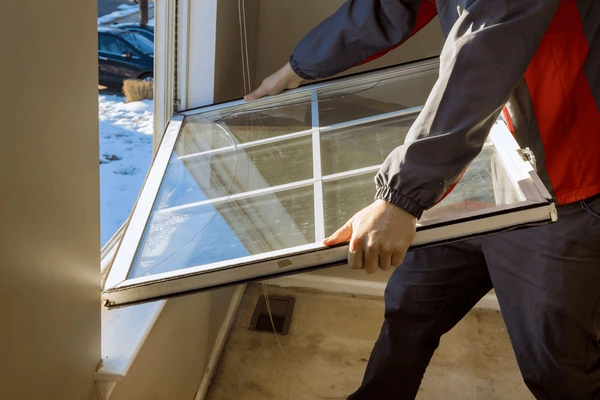
The Repair Process: Start by removing both doors carefully. Lift slightly and tilt the bottom out to clear the lower track. Clean both tracks thoroughly with a vacuum and damp cloth, removing all debris and sticky residue.
Check track alignment using your spirit level. If tracks are misaligned, loosen the mounting screws and adjust until perfectly parallel and level. Measure distances between tracks at both ends to ensure consistency.
Fixing Bent Tracks: For minor bends in aluminium tracks, use a rubber mallet and wooden block to gently straighten the track. Work gradually along the bent section, checking alignment frequently. Replace severely damaged tracks rather than attempting major straightening.
Rehanging Doors: Once tracks are clean and aligned, rehang doors by reversing the removal process. Check that doors slide smoothly before tightening all track fixings completely.

Fixing Stiff or Grinding Door Movement
Roller Replacement Repair: Remove the problematic door and locate the roller mechanisms. Usually at the top of each door panel. Unscrew the roller housing and carefully extract worn rollers, noting their orientation and any adjustment settings.
Install new rollers in exactly the same position, ensuring any adjustment screws match the original settings. Test door operation before final assembly, making minor height adjustments as needed.
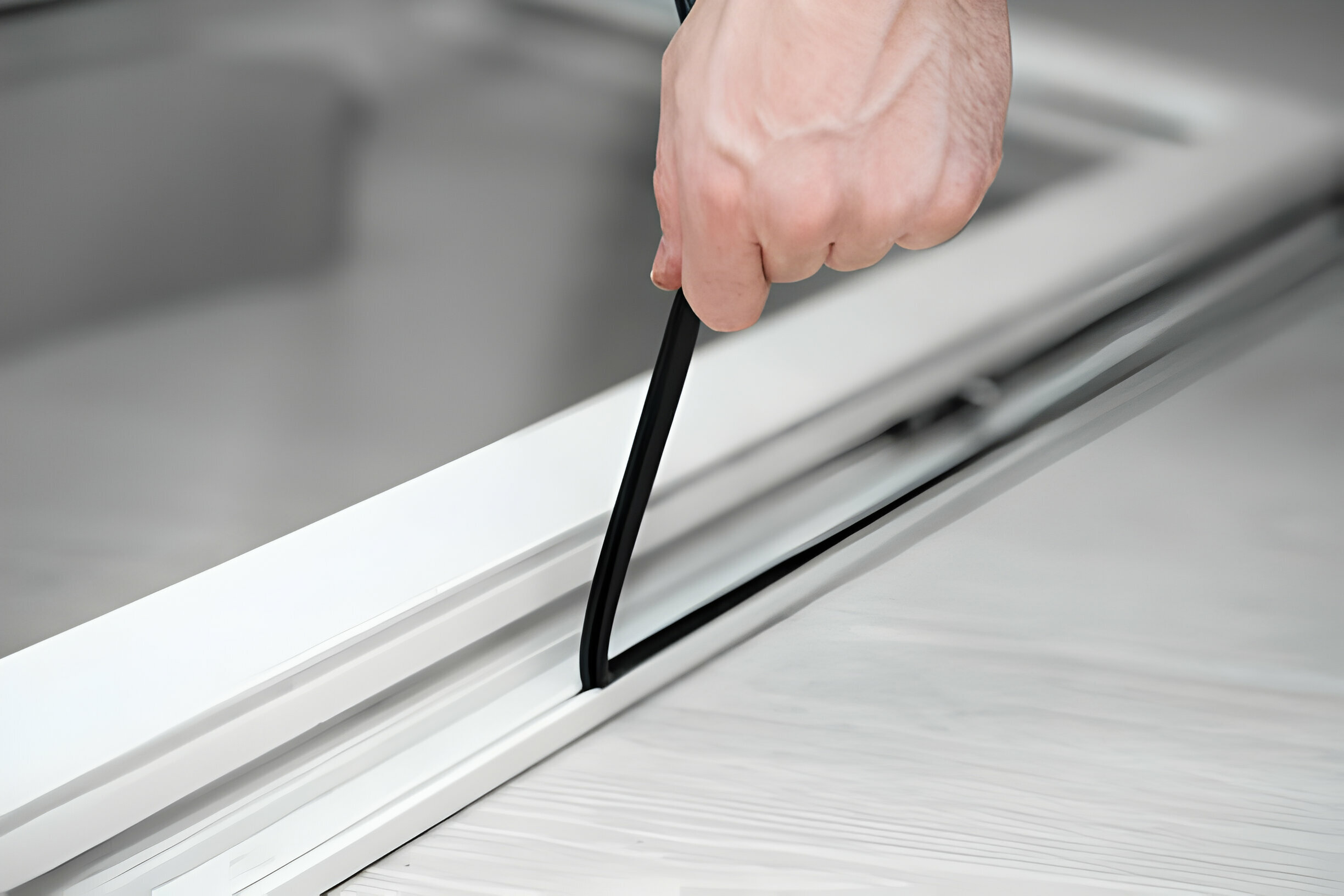
Track Restoration: For grinding caused by damaged tracks, remove loose metal fragments with fine steel wool. Apply track lubricant sparingly to the cleaned surface, wiping excess immediately to prevent dust accumulation.
If grinding continues, the track may need replacement. A repair that typically requires professional sliding wardrobe door repairs due to precise fitting requirements.

Repairing Loose or Broken Handles
Handle Tightening: Remove the door panel and access handle fixings from behind. Tighten loose screws or bolts, but avoid overtightening which can strip the door material or crack panels.
Complete Handle Replacement: For broken handles, measure the existing hole spacing before purchasing replacements. Remove old handle fixings completely and clean around the holes.
Position the new handle precisely and mark screw locations if holes don’t align perfectly. Drill new pilot holes if necessary, ensuring they won’t weaken the door structure. Secure with appropriate fixings. Machine screws for metal doors, wood screws for timber panels.
Adjusting Door Height and Alignment
Height Adjustment Repairs: Most sliding systems include height adjustment mechanisms Typically screws or cams that raise or lower individual doors. Locate these adjusters (usually near roller housings) and make small incremental changes.
For doors that drag on the floor, raise them gradually whilst checking clearance. For gaps at the bottom, lower doors until they just clear the floor surface. Always adjust both ends of each door equally to maintain proper operation.
Gap Correction Between Doors: Lateral adjustment screws allow you to move doors sideways to eliminate gaps or overlaps. Make small adjustments and test door operation frequently, as excessive adjustment can bind the mechanism.

Repairing Warped Door Panels
Minor Warp Correction: For slight warping, remove the door and lay it flat on a stable surface. Place weights evenly across the warped area and leave for several days in a dry environment. This technique works best on timber or MDF panels with minor moisture-related warping.
Reinforcement Repairs: If warping has caused structural weakness, reinforce with additional bracing on the back of the panel. Use timber battens screwed securely to the door frame, ensuring they don’t interfere with roller mechanisms or handle operation.
Severely warped panels typically require replacement. A repair best handled by professional sliding wardrobe door repairs specialists who can match materials and finishes.
Bottom Track Repair Techniques
Cleaning and Straightening: Remove all debris from bottom track grooves using a vacuum and narrow brush. For minor dents, use a small hammer and wooden block to carefully reshape the track profile.
Securing Loose Tracks: Bottom tracks can work loose from floor fixings over time. Remove doors for safety, then re-secure tracks with appropriate fixings—masonry plugs for concrete floors, heavy-duty wood screws for timber subfloors.
Ensure tracks remain perfectly level during re-fixing, as even slight slopes cause doors to slide unexpectedly.
Emergency Repair Solutions
Temporary Track Repair: If a track breaks completely, you can create a temporary repair using metal tape or thin metal strips screwed over the damaged section. This allows continued use whilst arranging permanent repairs.
Quick Door Stabilisation: For doors that won’t stay closed, install temporary magnetic catches or sliding bolts as interim measures whilst arranging proper repairs.
Advanced Adjustment Techniques
Fine-Tuning Door Operation: After completing repairs, fine-tune door operation through small adjustments. Doors should slide effortlessly with minimal pressure, stop precisely at both ends of travel, and align perfectly when closed.
Make final lubrication of all moving parts, using specialist sliding door lubricant applied sparingly to rollers, tracks, and adjustment mechanisms.
Testing Your Repairs
Operational Testing: Test repaired doors through their complete range of movement multiple times. Check for smooth operation, proper alignment, and secure closure. Listen for any unusual sounds that might indicate incomplete repairs.
Load Testing: Gently test door stability by applying light sideways pressure. Properly repaired doors should feel solid and secure in their tracks.
Preventive Maintenance After Repairs
Following successful sliding wardrobe door repairs, establish a maintenance routine: monthly track cleaning, quarterly lubrication, and annual comprehensive inspection. This approach prevents future problems and extends repair longevity.
When Repairs Exceed Your Capabilities
While many repairs are manageable with proper guidance, complex issues benefit from professional expertise. Our experienced team handles all aspects of sliding wardrobe door repairs, from emergency fixes to complete system overhauls.Whether you’re struggling with persistent problems or need expert assessment of repair requirements, we provide comprehensive sliding wardrobe door repairs throughout the UK. Our specialists understand different systems and deliver lasting solutions that restore smooth, reliable operation.
Don’t let faulty wardrobes disrupt your routine. Contact our sliding wardrobe door repairs experts today for professional service that gets your storage systems working perfectly again.