Most blown windows are fixed by replacing the sealed glass unit, not the frame.
If you want to learn how to fix a blown window the right way, you are in the right place. I have repaired foggy double panes, cracked sashes, and drafty frames for years. This guide shows you how to fix a blown window step by step, when to DIY, and when to call a pro. You will get plain steps, real costs, and tips that prevent repeat failure.
What Is a Blown Window and How to Spot It
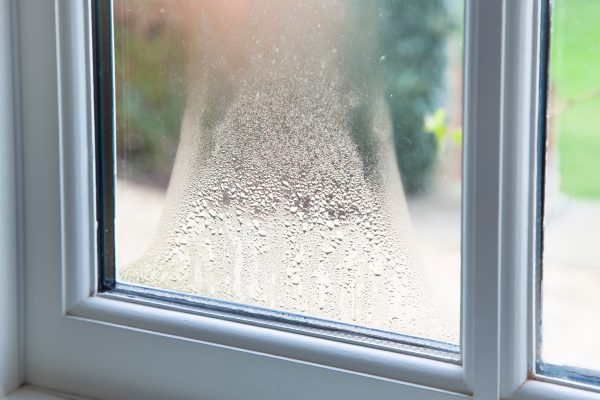
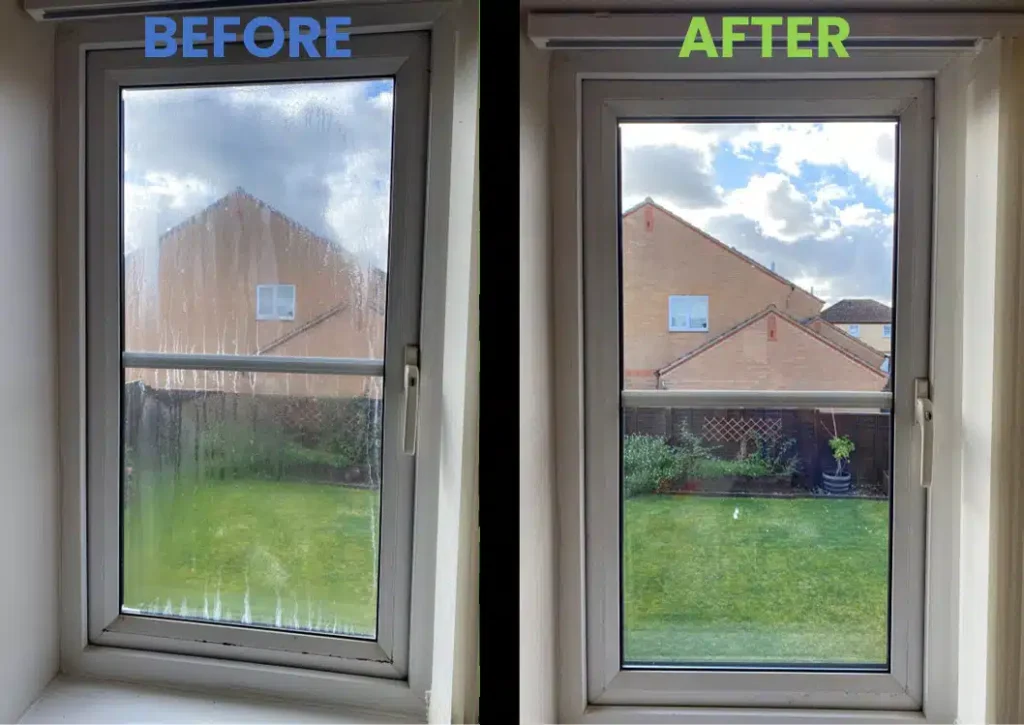
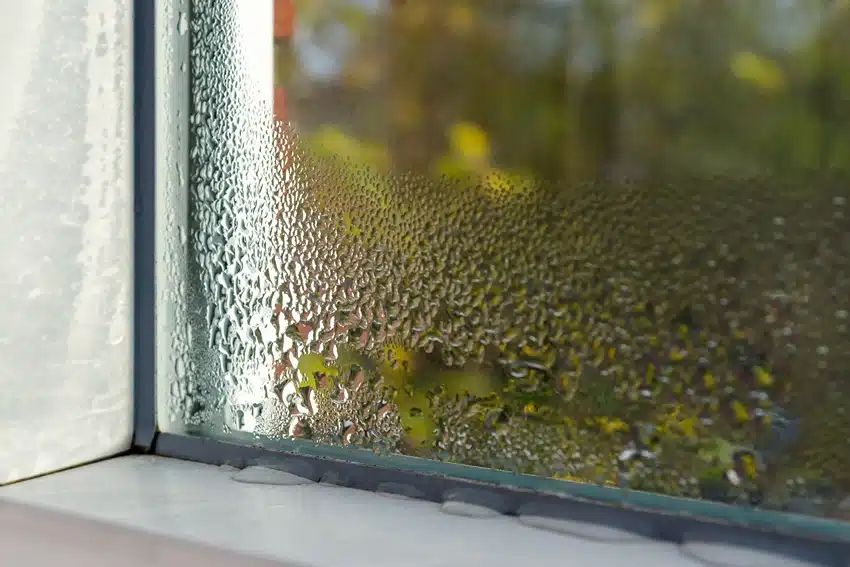
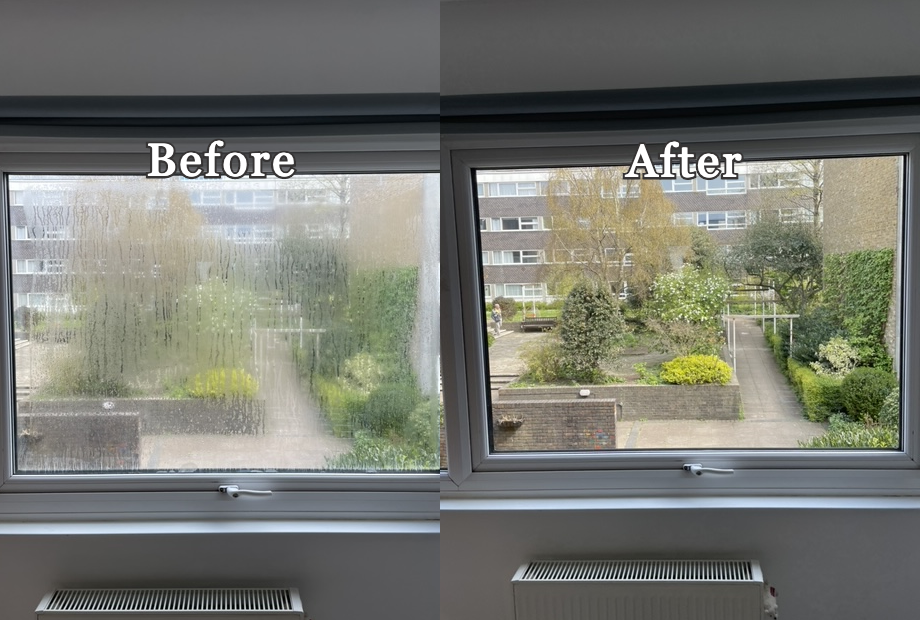
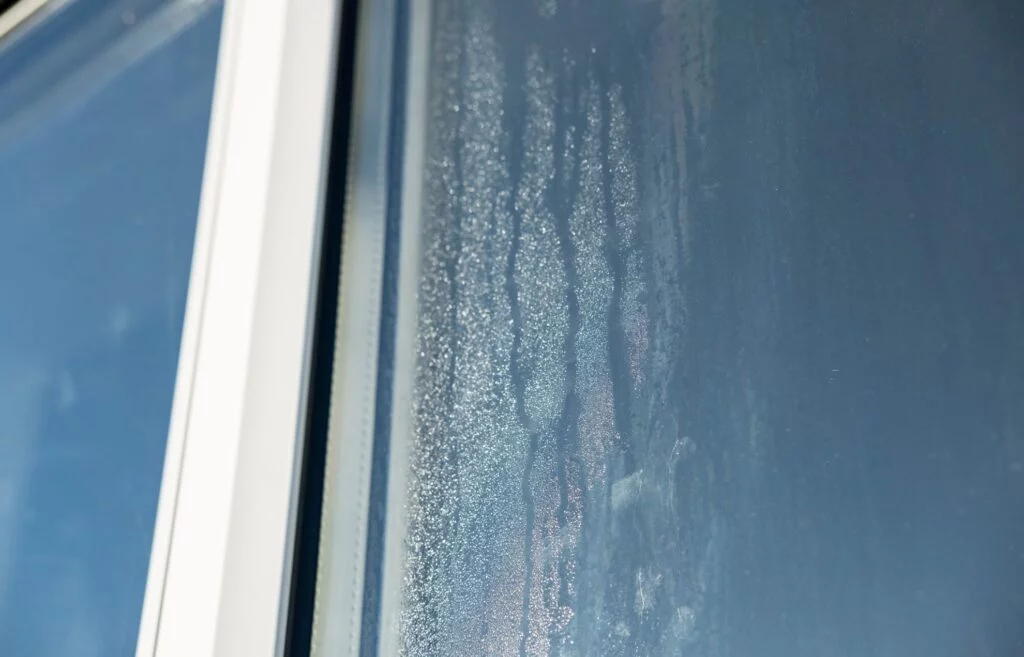
A blown window means the seal between panes has failed. Moisture slips in and fog forms between the glass. You may also see water marks, haze, or crystals. The window still looks whole, but it is not insulating well.
Other times, blown means the pane is cracked or shattered. The sash or frame can also be loose. The fix depends on the fault. Knowing which problem you have is the first step in how to fix a blown window.
Look for these signs:
- Fog or haze between panes that does not wipe off.
- Drafts around the sash even when closed.
- Visible cracks, chips, or a rattle when you tap the glass.
- Higher energy bills and cold spots near the window.
I have seen units look clear on cool mornings and fog in the afternoon. That is still a failed seal. It will only get worse. If you are learning how to fix a blown window, start by confirming the cause.
Safety First and When to DIY vs Hire
Glass can cut fast. Work slow and use safety gear. Closed shoes, gloves, and eye protection are a must. Tape cracked panes before you move them.
DIY is fine if the frame is sound and you are replacing a sealed glass unit. It is also fine for single panes in wood sashes. Hire a pro if the frame is rotten, out of square, or if the pane is large and high up. Tempered or laminated glass is also harder to handle. This is a key call when you plan how to fix a blown window.
Quick safety tips:
- Turn off alarms and sensors near windows.
- Lay a drop cloth to catch debris.
- Use suction cups for large panes if you can.
- Do not stand below a cracked pane while you pry.
I once watched a homeowner pry a stop and the glass let go all at once. The drop cloth saved the floor and feet. Respect the risk when you start how to fix a blown window.
Tools and Materials You Will Need
The right tools make the job calm and clean. Here is a simple list I use on most jobs.
Tools:
- Tape measure and notepad
- Utility knife and glazing scraper
- Putty knife and small pry bar
- Suction cups for glass handling
- Caulk gun
- Drill and bits for stubborn stops
- Heat gun for old putty if needed
Materials:
- Replacement insulated glass unit or pane
- Glazing tape or silicone rated for windows
- Setting blocks
- Glazing points for single panes
- Glazing compound for wood sashes
- Paint and primer for putty edges
- Painter’s tape and plastic film for temp fixes
Have all of this ready before you start how to fix a blown window. It cuts the job time in half.
Step-by-Step: How to Fix a Blown Window in a Double-Glazed Unit
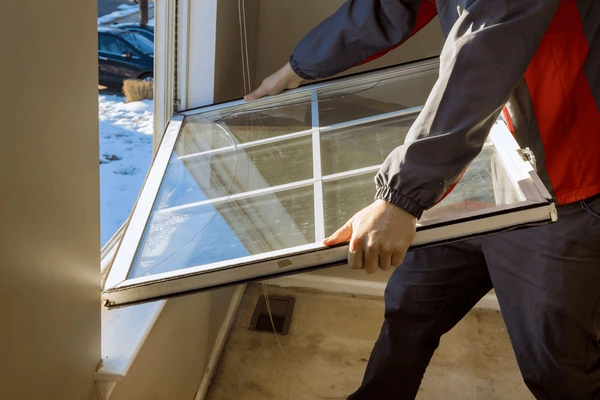
Most modern windows are double glazed. If the seal fails, you replace the insulated glass unit, also called the IGU. You keep the frame. This is the most common path for how to fix a blown window.
- Confirm the size and specs
Measure visible glass width and height. Then add the frame pocket depth. Check thickness and spacer color. Note if you have Low-E, argon fill, or tempered glass. Order a matching IGU. - Prep the area
Lay a drop cloth. Open the sash if it is an operable window. Remove interior trim or glazing beads. Use a putty knife to loosen each bead slowly. - Cut the seal
Run a utility knife around the edge to cut glazing tape or sealant. Work the unit loose. Use suction cups to lift it out. - Clean the frame
Scrape old sealant. Vacuum dust. Make sure the weep holes are open. Place setting blocks at the quarter points on the sill. - Set the new unit
Apply glazing tape or a thin bead of window-rated silicone. Set the IGU on the blocks. Center it with even gaps. - Refit stops or beads
Press beads back in. Nail gently if needed. Wipe any squeeze-out. Do not smear sealant on Low-E coatings. - Test and cure
Close and lock the sash. Check for even sight lines and smooth close. Allow sealant to cure per the label.
Time and cost
A standard IGU swap takes one to two hours once the glass arrives. Cost ranges from 150 to 400 dollars for common sizes. Larger, tempered, or shaped units cost more. This is still the fastest way for how to fix a blown window in most homes.
Pro tip from the field
Do not skip setting blocks. They keep the unit off the sill so water can drain. Skipping them is a top reason new units fog again.
Step-by-Step: How to Fix a Blown Window in a Single-Pane Sash
Older houses often have single panes set in putty. These blow when a pane cracks or the putty fails. Here is how to fix a blown window in that case.
- Remove the sash
For wood sashes, pop the interior stop and lift the sash out. Lay it flat. - Remove old glass and putty
Score the putty with a utility knife. Warm stubborn putty with a heat gun. Pull glazing points and lift the glass out. Wear gloves. - Bed the new pane
Clean the rabbet. Press a thin bed of glazing compound in the groove. Set the new glass. Keep a small even gap. - Set glazing points
Press points every 6 to 8 inches to hold the glass tight. - Tool the putty
Apply fresh compound and tool it to a clean 45-degree bevel. Smooth it well. Let it skin. - Prime and paint
Prime the putty after it skins, often in a day or two. Paint the edge to seal it to the glass.
This is a classic, low-cost path for how to fix a blown window if you like simple tools and a calm pace.
Temporary Fixes If You Need Time
You may need a short-term fix while you wait for glass. These tricks buy time and cut drafts.
- For fogged IGUs, use a dehumidifier and good airflow. It will not fix the seal, but it helps clarity on some days.
- For cracks, place clear packing tape on both sides to hold shards.
- Apply window film kits to cut drafts and heat loss in winter.
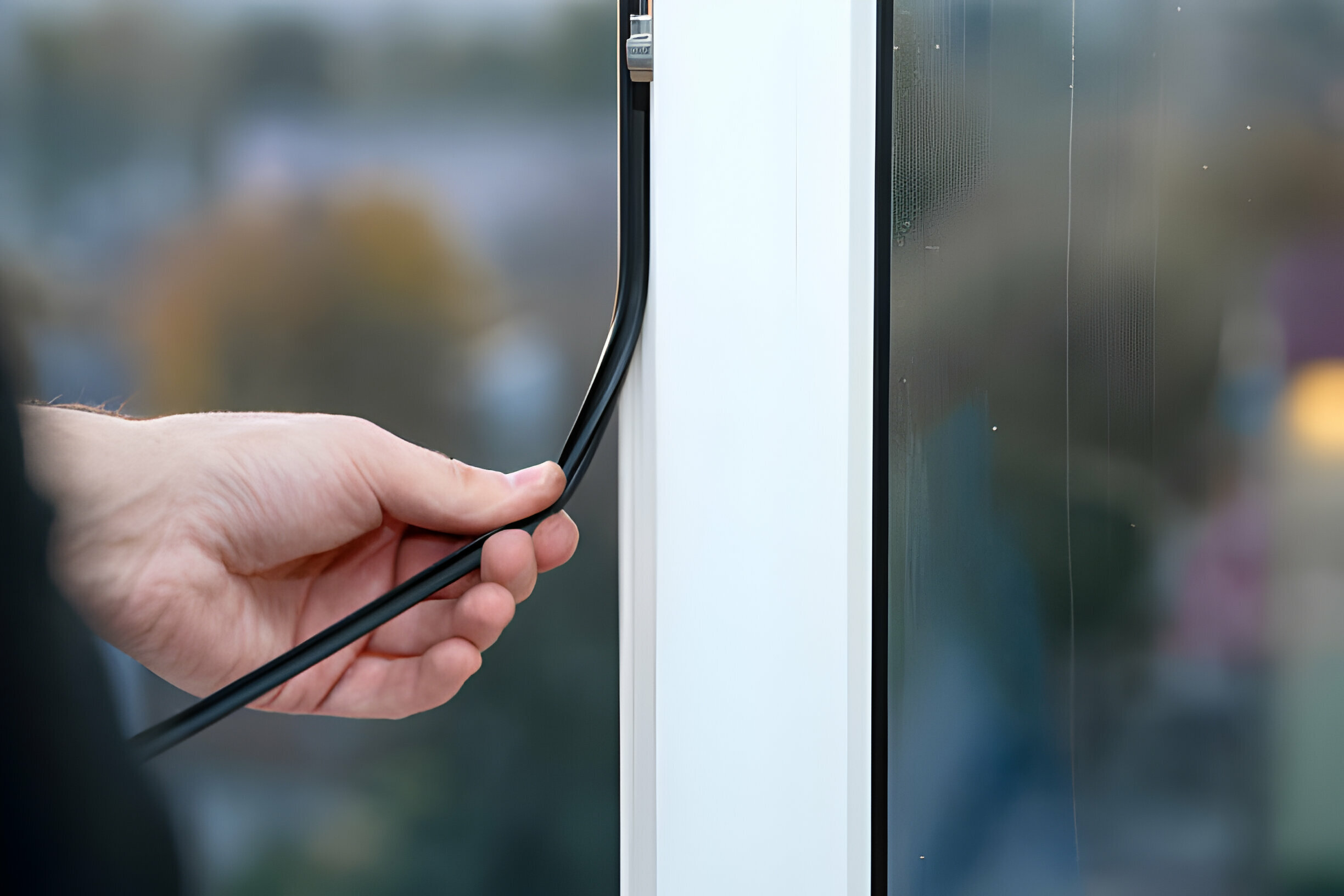
- Seal obvious frame gaps with painter’s caulk until you can do the full repair.
These band-aids do not replace the unit. But they help if you must delay how to fix a blown window by a week or two.
Costs, Time, and Difficulty
A clear budget makes the plan easy. Here is what I share with clients.
- IGU replacement
Materials 150 to 400 dollars for common sizes. Labor 100 to 300 dollars. One to two hours on site. - Single pane glass
Materials 20 to 80 dollars per pane. Compound and points add 10 to 20 dollars. One to three hours, more for old putty. - Full window replacement
Materials 300 to 1,200 dollars per window for mid-range units. Labor varies by frame type and finish work.
Knowing these ranges helps you decide how to fix a blown window without stress.
Preventive Care to Stop Windows Blowing Again
Good care means fewer failures. These habits keep seals strong and frames dry.
- Keep weep holes clear so water drains.
- Repaint wood sash edges so putty stays sealed.
- Avoid harsh cleaners on Low-E glass and spacer edges.
- Control indoor humidity, especially in winter.
- Use blinds or shades to reduce heat spikes on sunny glass.
I check weeps every spring and after storms. It takes five minutes. It adds years to a window. This is simple, real-world advice on how to fix a blown window for the long term.
Common Mistakes and Troubleshooting
Most issues come from small misses. Here is what to avoid.
- Wrong measurements
Measure visible glass and confirm thickness. Order once. Measure twice. - Forcing stops
Pry slow near the middle. Work to the ends. Broken stops add hours. - Skipping setting blocks
This traps water. Use blocks at quarter points. - Using the wrong sealant
Use glazing tape or window-grade silicone. General caulk can fail fast. - Not using safety glass where codes need it
Doors, bath areas, and near floors often require tempered glass.
If you find a rattle after install, the IGU may be loose or the bead is not seated. Remove and reset the bead. This is normal fine-tuning in how to fix a blown window.
Choosing Replacement Glass and Understanding Codes
Glass is not all the same. Better specs can cut bills and noise.
- Low-E coatings cut heat loss and glare.
- Argon fill adds a bit of insulation.
- Warm-edge spacers reduce condensation at edges.
- Laminated glass adds security and sound control.
- Tempered glass is a must in hazard zones.
Most local codes call for safety glass near doors, stairs, tubs, and floors to reduce injury. Check your local rules before you order parts. This is a key part of how to fix a blown window that keeps your home safe and legal.
Warranty, Insurance, and Disposal
Many window brands cover seal failure for 10 to 20 years. Labor is often not covered. Keep your order papers. If the unit is still in warranty, call the maker first.
Home insurance may cover impact damage. It does not cover age or wear. Ask your agent if a storm caused the issue.
Dispose of glass with care. Tempered glass breaks into small cubes and is safer to handle. Wrap shards in cardboard and tape the edges. Some centers accept glass for recycling. Plan this step when you map how to fix a blown window from end to end.
Frequently Asked Questions of how to fix a blown window
What does a blown window mean?
It usually means the seal in a double-pane unit has failed. You will see fog or haze between the panes that you cannot wipe off.
Can I defog a blown window without replacing the glass?
You can vent and dry the unit, but the fog returns. The durable fix for how to fix a blown window is to replace the insulated glass unit.
How long does it take to replace an IGU?
The install takes one to two hours once the glass arrives. Lead times to order the unit are often three to ten days.
Is it cheaper to replace the whole window?
Not usually. Replacing just the glass unit is the cheaper path for most frames. Full replacement makes sense if the frame is rotten or warped.
What measurements do I need to order a new unit?
Measure visible glass width and height and the glass thickness. Note any Low-E tint and whether the old unit is tempered.
Do I need special tools?
Basic hand tools are enough for many jobs. Suction cups and a heat gun help and make how to fix a blown window safer and faster.
Can I use any caulk to set the glass?
No. Use glazing tape or window-rated silicone. General caulk may not stick or can fail in sun and cold.
Conclusion
Fixing a blown window is a clear, step-by-step task. Most times, you keep the frame and replace the glass unit. With simple tools and care, you can stop fog, cut drafts, and restore comfort. You now know how to fix a blown window with a plan that fits time, cost, and safety.
Take the next step today. Measure your pane, order the right unit, and set a time to install. If you prefer help, call a local pro and use this guide to ask smart questions. Want more practical tips like this? Subscribe, share your results, or drop a question in the comments.